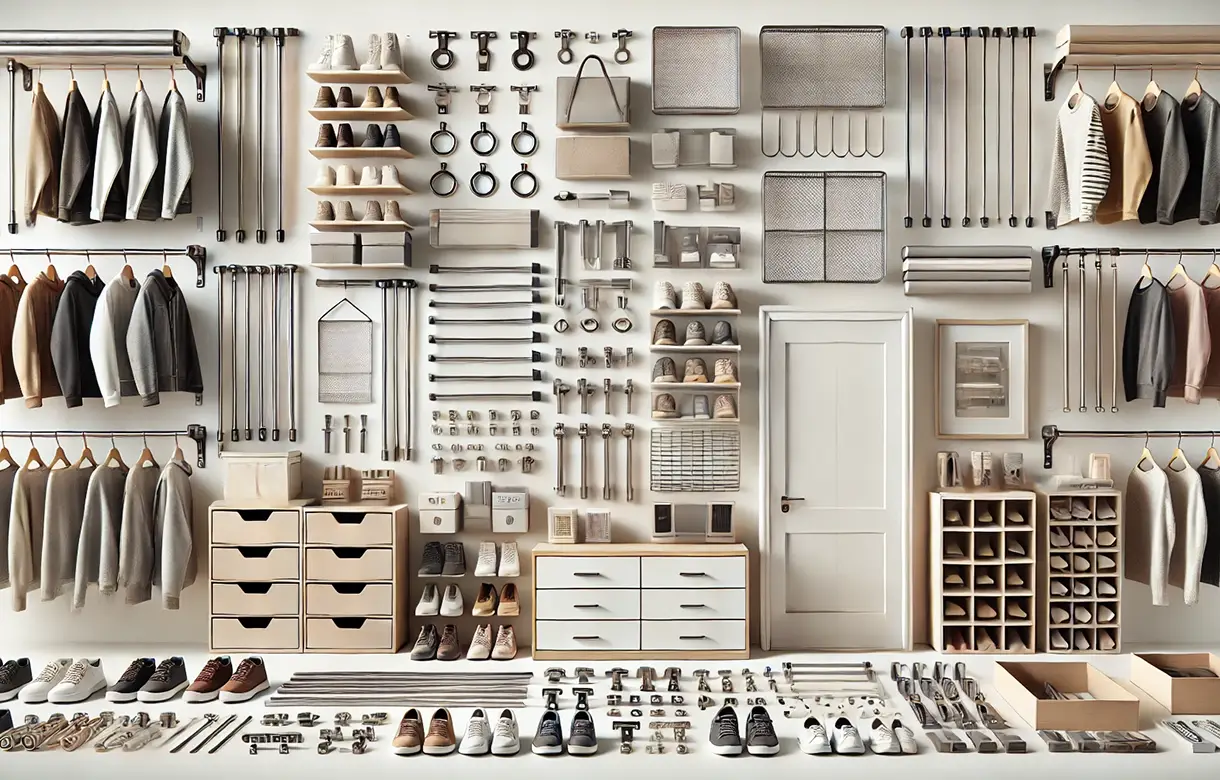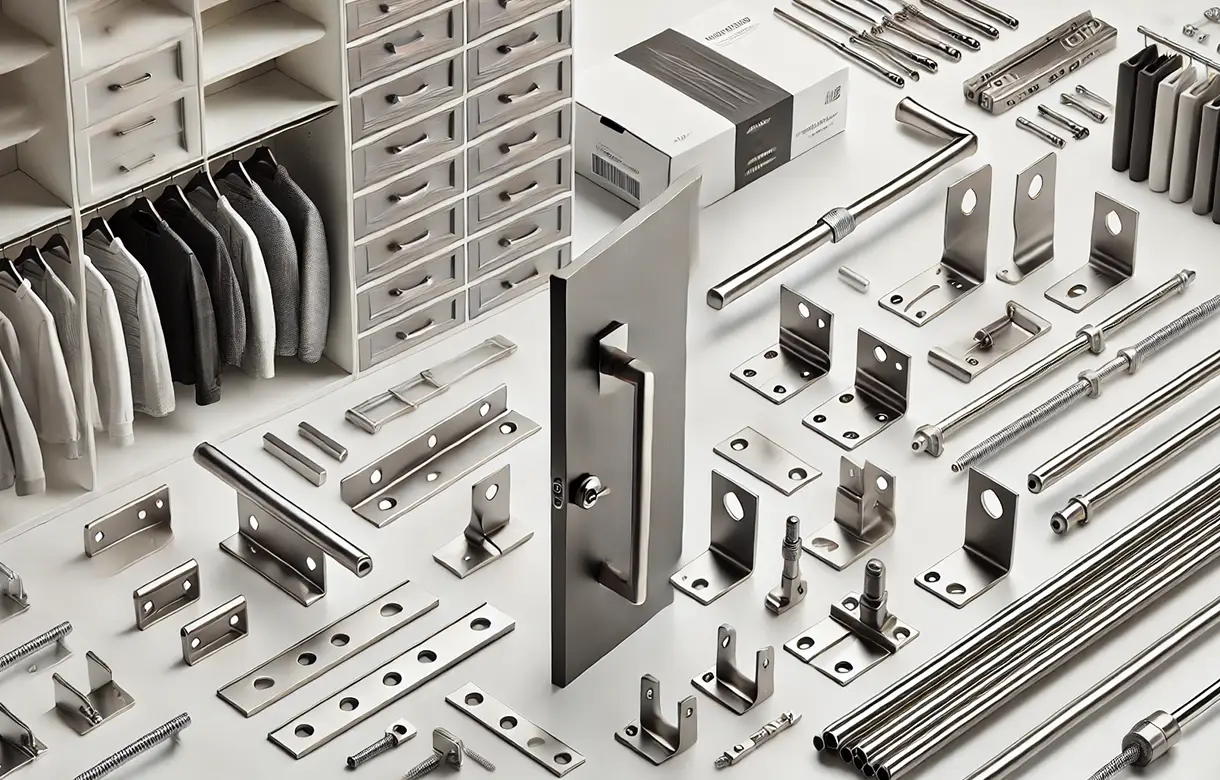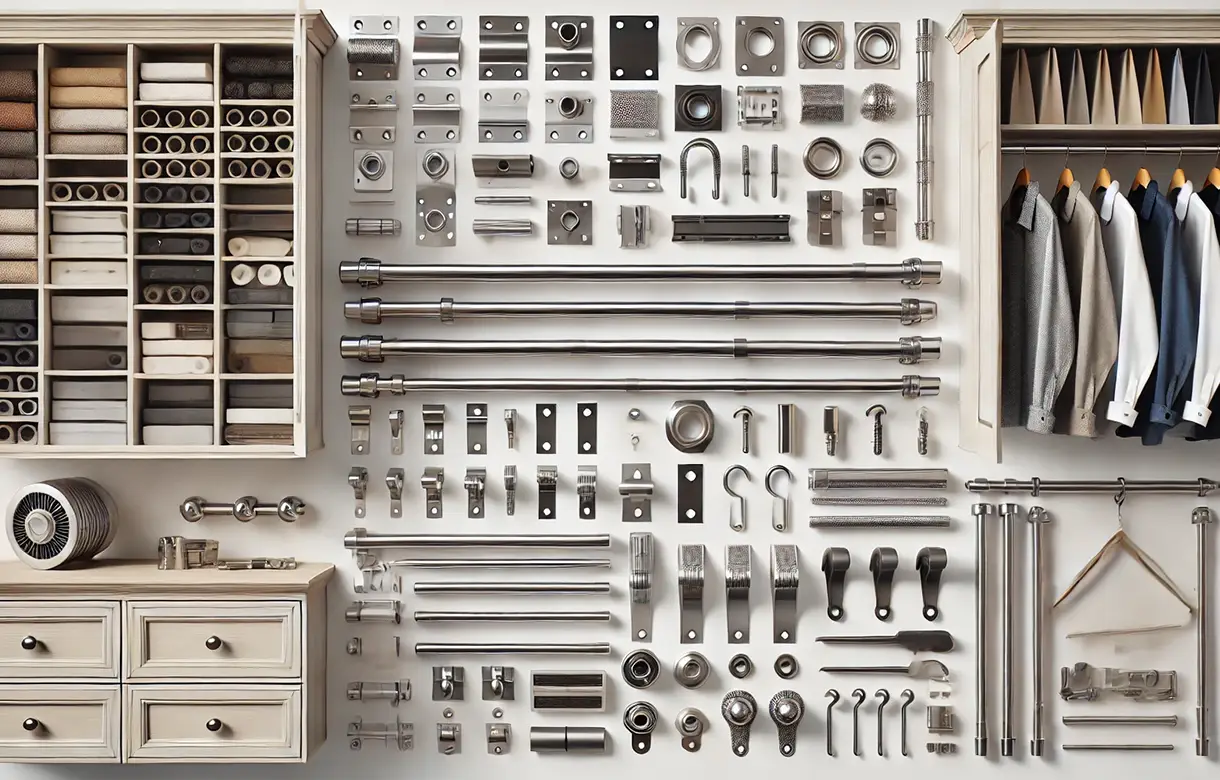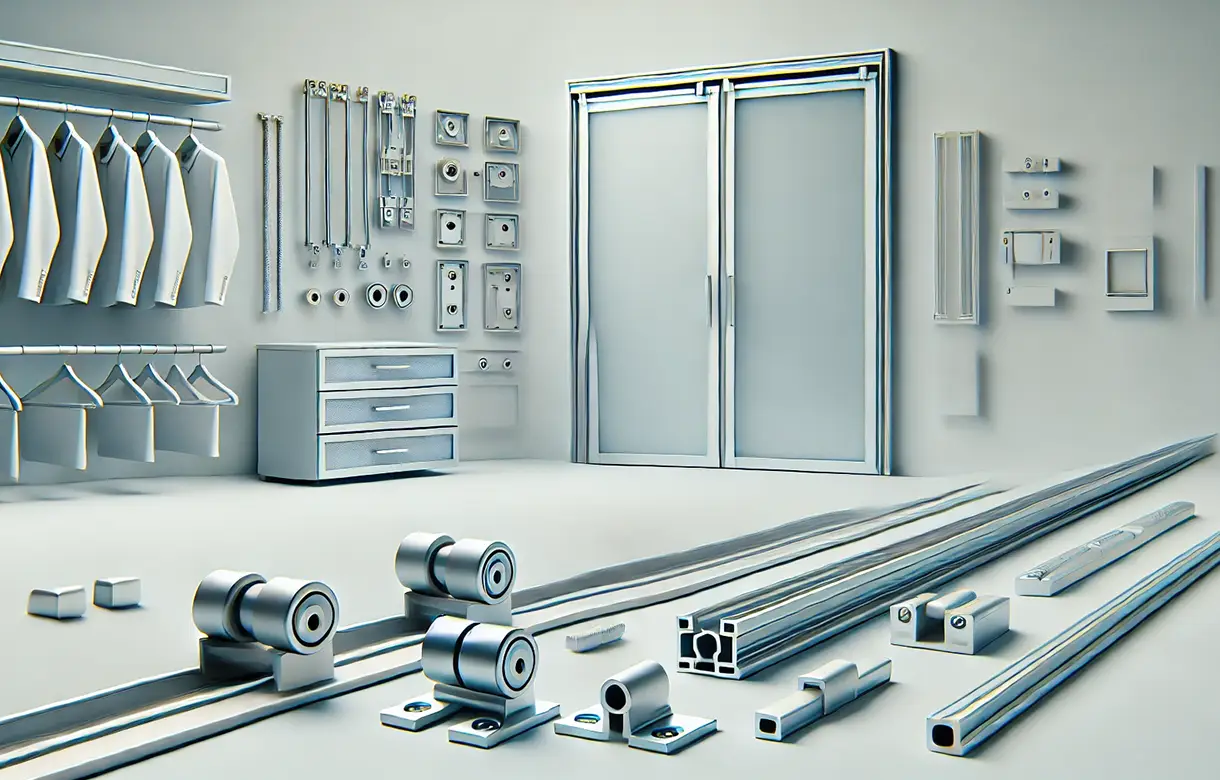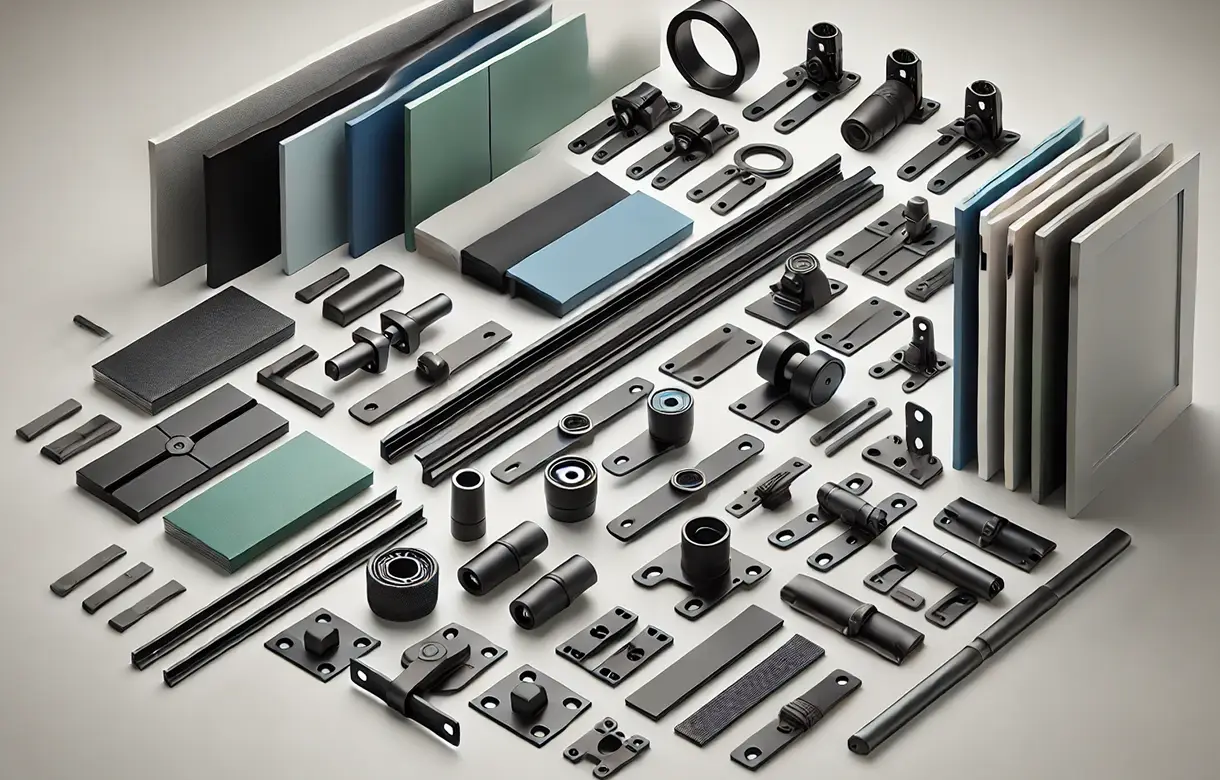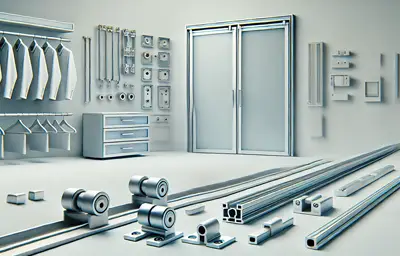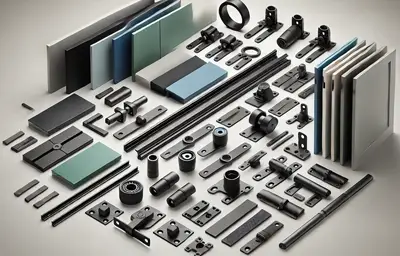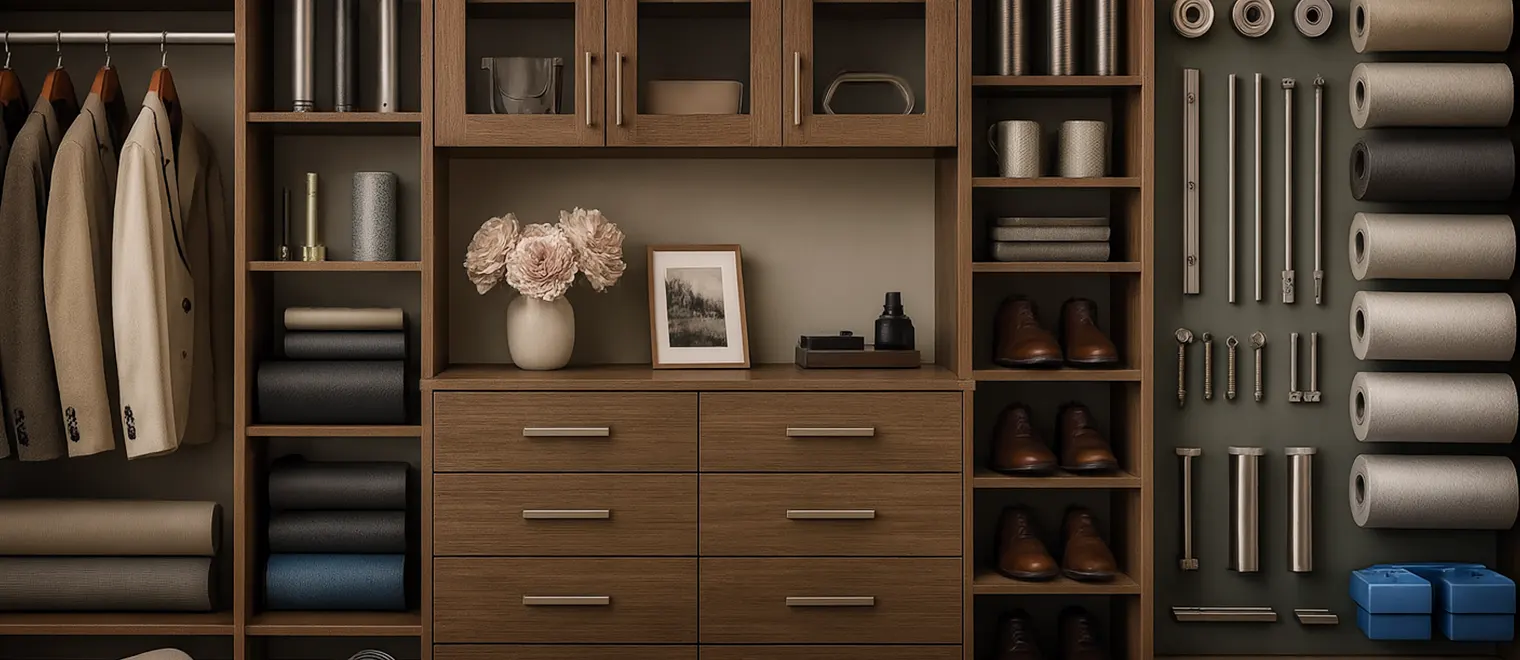
The gap between the storage a Maple Ridge house came with and the storage it could have is mostly a parts list. My Inspired Space closes that gap — hinges and runners that close softly and extend fully, closet rods that pull down within reach, lighting that switches on with the door, and the rated hooks, pulls and wardrobe organizers that make a built system earn its keep — either inside cabinetry we build or retrofitted into what you have.
Walk through a new Albion or Silver Valley home and open the closets. The rooms are there, the drywall is painted, and inside each closet is a single shelf with a rod under it — the construction industry's placeholder for storage. The house is finished; the storage is not. Hardware is how it gets finished: mechanisms that carry, extend, illuminate and organize, chosen for what each space has to do.
In the older parts of town the problem is reversed. Hammond and the established neighbourhoods have storage that was finished decades ago and has been earning its keep ever since, on hinges and slides that owe nobody anything. Those systems rarely need replacing; they need re-equipping. The carcass stays, the worn-out motion goes, and the room works like it did when it was new — usually better, since today's components outclass what was available then.
Either way, the discipline is the same one we apply to full builds: identify the job each component has to do, then pick the part rated for it. When the situation calls for more than parts — a layout that fails the household no matter what is bolted to it — we will say that plainly and talk about a custom closet instead.
Every rod, runner, hook and bracket is a small piece of structural engineering. The difference between components is not visible in a showroom — it is the weight rating, the bearing quality and the fixing method, and it only becomes obvious under two years of real load. We specify by what the component will actually hold, which is why our upgrades age well.
Storage you cannot reach is storage you do not have. Full-extension runners expose the whole drawer instead of most of it; pull-down rods deliver the top of a tall closet to your hands; pull-out organizers bring belts, ties and jewelry to the front instead of burying them. Access hardware is how the same cubic feet start holding more useful things.
Soft-close hinges and slides are usually sold as a luxury, but in a busy household they are closer to soundproofing. Cabinet doors and drawers get operated hundreds of times a week, and damping every one of those closes changes the feel of a kitchen more than most renovations do. It also protects the cabinetry, because the slam is what loosens fasteners and chips edges over time.
The last piece is light. A closet or cabinet interior sits in shadow even at midday, and on a November afternoon in Maple Ridge it might as well be sealed. Integrated LED strips — door-switched or motion-activated, wired out of sight — mean the contents are visible the moment the door opens. Of everything we install, lighting gets the most unprompted compliments afterwards.
The same six component families show up everywhere, but the right specification changes room by room, because the loads and habits change.
The wardrobe is organizer territory: valet rods for staging outfits, slide-out belt and tie racks, felt-lined jewelry inserts, and a pull-down rod wherever hanging space climbs above comfortable reach. Lighting matters most here too, since clothing colours are exactly what shadow distorts.
Kitchen hardware works the hardest in the house. Runners here should be heavy-duty and full-extension as a rule — pot drawers and pantry pull-outs carry serious weight daily — and soft-close on every door and drawer pays for itself in noise alone. A tired kitchen with sound boxes is one of the most rewarding refreshes we do, and it often pairs with kitchen pantry work when the household needs more than motion.
Hook territory, and the one place where over-specifying is correct. Wet coats, packs and sports bags hit entry hooks with force, so everything gets fixed into studs or backing. A bench drawer on proper runners and a lit closet complete the picture — this is the room where hardware failure is most visible and most annoying.
Duty ratings climb again. Tool drawers want the heaviest runner class made; hooks and hanging rails hold ladders and cords, not scarves; and cabinet hardware should tolerate dust and temperature swings. The components we use in garage cabinet builds are chosen for exactly that environment, and they retrofit into existing garage storage the same way.
File drawers are heavier than they look — paper is dense — so they get the runner rating a tool drawer would. In living areas the priorities flip toward finish and silence: soft-close everywhere, pulls that match the room, and lighting that presents shelves rather than merely illuminating them, the same approach we take in wall storage projects.
Automatic means no switch to hunt for. Door-contact switches light the interior the instant the door moves and kill it when it closes, so nothing is left burning inside a shut cabinet. Motion sensors suit walk-ins and open shelving, where there is no door to do the switching. Both approaches beat a wall switch, which in practice never gets used.
Concealed means you see lit contents, never a glare strip. LED tape sits in a shallow aluminum channel with a diffuser, tucked under the shelf nose or along the gable where the eye does not land. The channel matters more than it looks like it should: it spreads the heat that shortens LED life and it turns a row of dots into an even line of light.
Colour is the difference between useful and misleading. Too warm and whites yellow; too cold and the closet feels like a walk-in fridge. A neutral white in the middle of the range shows clothing close to true, which is the entire point of lighting a wardrobe. Brightness is a matter of surface area and depth, and it is far better slightly under than glaring over.
Serviceable means the driver — the small transformer every low-voltage system needs — lives somewhere a human can reach it, not sealed inside a panel. Components fail rarely, but they fail eventually, and a five-minute swap versus a disassembly job is decided on installation day. This is the detail most skipped by rushed installs, and the first thing we check when asked to fix someone else's lighting.
Photos of the closet, kitchen or garage plus the complaint — sticks, slams, sags, too dark, can't reach. From that alone we can usually tell you whether this is a component problem and roughly what class of fix it needs.
An in-home visit covers clearances, drawer box dimensions, panel condition, stud and backing locations, and what each drawer and rod genuinely carries. The parts list comes from those numbers, not from a brochure.
Installation day: mechanisms mounted to studs, panels or added backing; lighting wired, channelled and hidden; then a full alignment pass so every door sits flush and every drawer runs silent and true.
Hardware upgrades are modular by nature. Many clients fix the loudest problem first, discover how much better the space feels, and book the next room a season later. Both orders are fine with us.
The new subdivisions of Silver Valley and Albion generate the finish-the-builder's-work jobs. These houses hand over with placeholder storage: bare rod-and-shelf closets, cabinet runs on entry-level mechanisms, and not a lumen of light inside any of it. Owners typically call us within the first few years, once daily life has revealed exactly where the storage falls short, and the fix is additive — organizers, upgraded runners, pull-down rods for the high ceilings, lighting throughout.
Hammond and the older central neighbourhoods supply the renewal work. Storage here has decades of honest wear, and the question is what to keep. Our bias is to keep everything structural: sound boxes and good layouts take new hinges, runners and pulls gracefully, and the result reads as a renovation at a hardware price. Where a system has genuinely failed, we say so and quote the rebuild honestly rather than dressing a dead cabinet in new parts.
Whonnock and the eastern acreage properties are the heavy-duty end of the practice. Rural households store more, store heavier, and store in more buildings — shops, barns, big garages — so the specification shifts to maximum-class runners, rated hooks and rails, and hardware that shrugs off dust and cold. It is the same trade practised at a different weight class, and it is some of our favourite work.
From Maple Ridge we also cover Pitt Meadows, Langley, Coquitlam, Port Coquitlam and Port Moody, along with Burnaby, New Westminster and Vancouver.